
As more teenagers discover the freedom of electric bikes, one question comes up repeatedly: Should you choose a full suspension e-bike or save money with a hardtail?
At first glance, full suspension may seem like a premium feature reserved for mountain bikers. However, for teens who enjoy riding on dirt trails, gravel roads, parks, and uneven neighborhood streets, it can dramatically improve the riding experience.
But is the extra comfort really worth the additional cost and weight?
In this guide, we'll explain how full suspension works, compare it with hardtail bikes, discuss the pros and cons, and help parents and young riders decide whether it's the right investment.
What Is a Full Suspension E-Bike?
A full suspension e-bike features both front and rear suspension systems designed to absorb impacts from rough terrain.
Instead of transferring every bump directly to the rider, the suspension compresses and rebounds to smooth out the ride.
Typical components include:
- Front suspension fork
- Rear shock absorber
- Suspension linkage
- Reinforced frame
Unlike hardtail e-bikes, which only have front suspension, full suspension cushions the entire bike, reducing vibrations throughout the ride. This leads to greater comfort, better control, and improved traction on uneven surfaces.
Why Comfort Matters More for Teen Riders
Many people assume teenagers don't need suspension because they're younger and more energetic.
In reality, comfort has a huge impact on confidence and safety.

When a bike constantly bounces over potholes or rocky paths, riders become tired much faster. Fatigue often leads to slower reactions and poorer control.
A smoother ride allows teens to:
- Stay focused longer
- Keep both wheels planted on the ground
- Maintain better balance
- Enjoy longer adventures
For beginners especially, confidence is often more important than outright speed.
Full Suspension vs. Hardtail
Understanding the differences helps determine whether the extra investment makes sense.
| Feature | Full Suspension | Hardtail |
|---|---|---|
| Front Suspension | Yes | Yes |
| Rear Suspension | Yes | No |
| Ride Comfort | Excellent | Good |
| Rough Trail Performance | Excellent | Moderate |
| Maintenance | Higher | Lower |
| Weight | Heavier | Lighter |
| Price | Higher | More Affordable |
Hardtail bikes remain excellent for paved roads and light trails.
However, once terrain becomes rocky, sandy, or filled with roots, full suspension begins to show its advantages.
Benefits of Full Suspension for Teen Riders
1. Better Shock Absorption
This is the biggest reason people choose full suspension.
Instead of feeling every bump through the handlebars and saddle, the suspension absorbs much of the impact.
That means:
- Less wrist fatigue
- Reduced lower back strain
- More comfortable seating
- Smoother handling
Even neighborhood rides become noticeably more enjoyable.
2. More Control on Rough Terrain
When tires stay in contact with the ground, riders have better grip.
Full suspension helps maintain traction over:
- Gravel
- Dirt
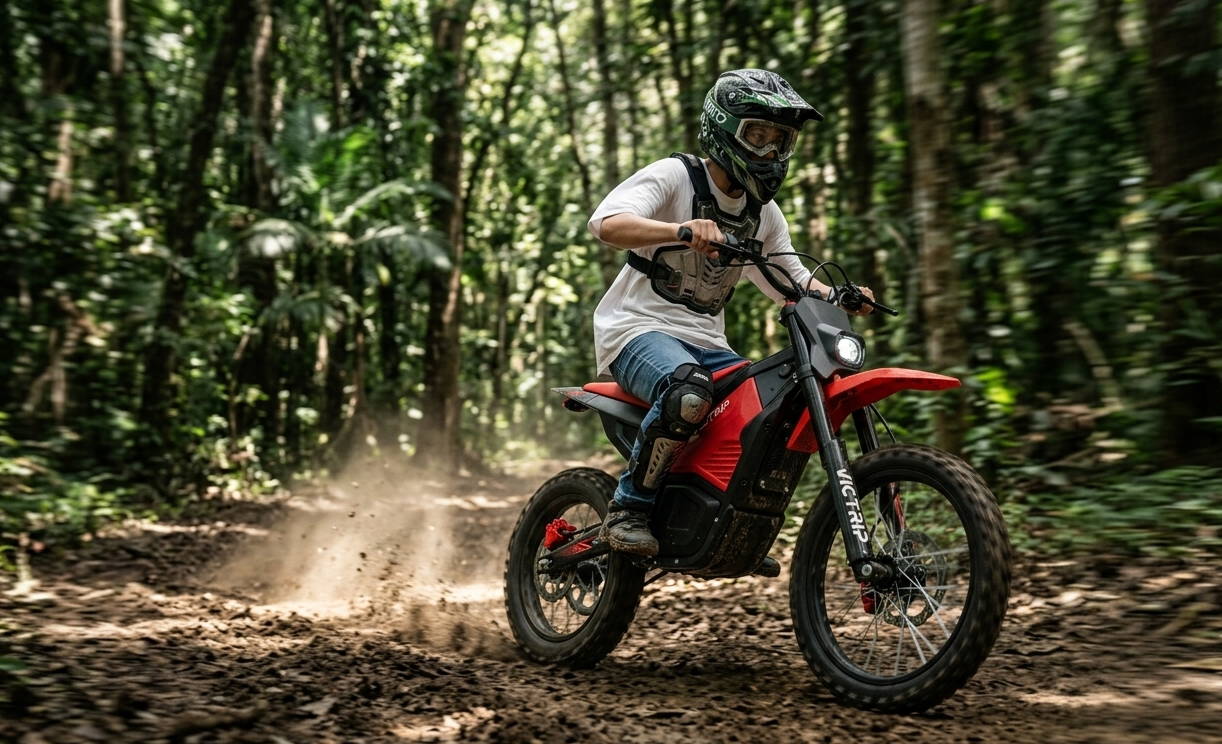
- Forest trails
- Loose rocks
- Uneven grass
This added stability improves steering and braking performance, especially on technical surfaces.
3. Increased Riding Confidence
Confidence grows when the bike feels predictable.
A full suspension system makes unexpected bumps much less intimidating.
Teen riders can concentrate on learning proper riding techniques instead of worrying about every obstacle.
4. Reduced Rider Fatigue
Even short rides become tiring when every impact travels directly into the body.
By minimizing repeated vibrations, suspension allows riders to stay comfortable for much longer.
This is particularly valuable for weekend trail rides or family adventures.
5. Improved Safety
While suspension doesn't replace good riding habits, it can improve safety by:
- Helping tires maintain traction
- Reducing wheel bounce
- Improving cornering stability
- Making braking more predictable
Better control usually leads to fewer mistakes.
Are There Any Downsides?
Despite its advantages, full suspension isn't perfect.
Higher Cost
Adding rear suspension increases manufacturing complexity.
As a result, these bikes usually cost more than comparable hardtail models.
For families on a strict budget, that difference may matter.
More Weight
Rear shocks and linkage add several pounds.
Fortunately, because e-bikes have electric motors, most riders notice the extra weight far less than they would on traditional bicycles.
Additional Maintenance
More moving parts mean:
- Bearings require inspection
- Rear shocks need occasional servicing
- Suspension pivots should remain clean
While maintenance isn't difficult, it's greater than on a hardtail.
Slightly Reduced Efficiency
When riding only on smooth pavement, suspension can absorb a small amount of pedaling energy.
Modern electric motors compensate for much of this, but riders focused solely on road commuting may prefer the simplicity of a hardtail.
Who Actually Needs Full Suspension?
Not every teenager requires it.
Full suspension is ideal if they:
- Ride dirt trails every weekend
- Frequently encounter rough terrain
- Enjoy off-road exploration
- Spend several hours riding
- Prioritize comfort over weight
A hardtail may be enough if they:
- Ride mostly on pavement
- Commute to school
- Stick to bike paths
- Want a lighter bike
- Prefer lower maintenance
Choosing based on riding habits usually produces the best value.
Does Full Suspension Improve Speed?
Not directly.
Suspension doesn't increase motor power.
Instead, it helps riders maintain speed because the bike remains stable over rough terrain.
Rather than slowing dramatically for every bump, riders can continue smoothly through uneven sections.
The result often feels faster, even though the motor hasn't changed.
Is It Worth Paying More?
The answer depends on where the bike will be used.
For riders spending most of their time on city streets, the difference may not justify the added expense.
However, teens who regularly explore:
- Dirt parks
- Forest trails
- Campgrounds
- Gravel roads
- Off-road routes
often discover that the comfort improvement is substantial.
Many experienced riders say they ride more frequently simply because full suspension makes every trip more enjoyable.

What Parents Should Consider
Parents often focus on speed.
Comfort deserves equal attention.
A comfortable bike encourages:
- More frequent riding
- Better posture
- Less physical strain
- Greater confidence
- Longer family rides
Instead of asking only "How fast is it?", consider asking:
- Will my child enjoy riding it for years?
- Will it encourage outdoor activity?
- Does it fit where they'll actually ride?
Those questions often matter more than maximum speed.
Choosing the Right Full Suspension E-Bike
If you're shopping for a teenager, look beyond suspension alone.
Important features include:
Motor Power
A moderate motor provides plenty of assistance without becoming overwhelming.
Reliable Brakes
Hydraulic or quality mechanical disc brakes provide dependable stopping performance.
Battery Range
Choose a battery that comfortably exceeds the rider's typical trip length.
Tire Width
Wider tires improve grip and complement the suspension when riding off-road.
Frame Size
Proper sizing is essential.
A correctly fitted bike is safer and significantly more comfortable.
A Smart Choice for Trail-Loving Teens
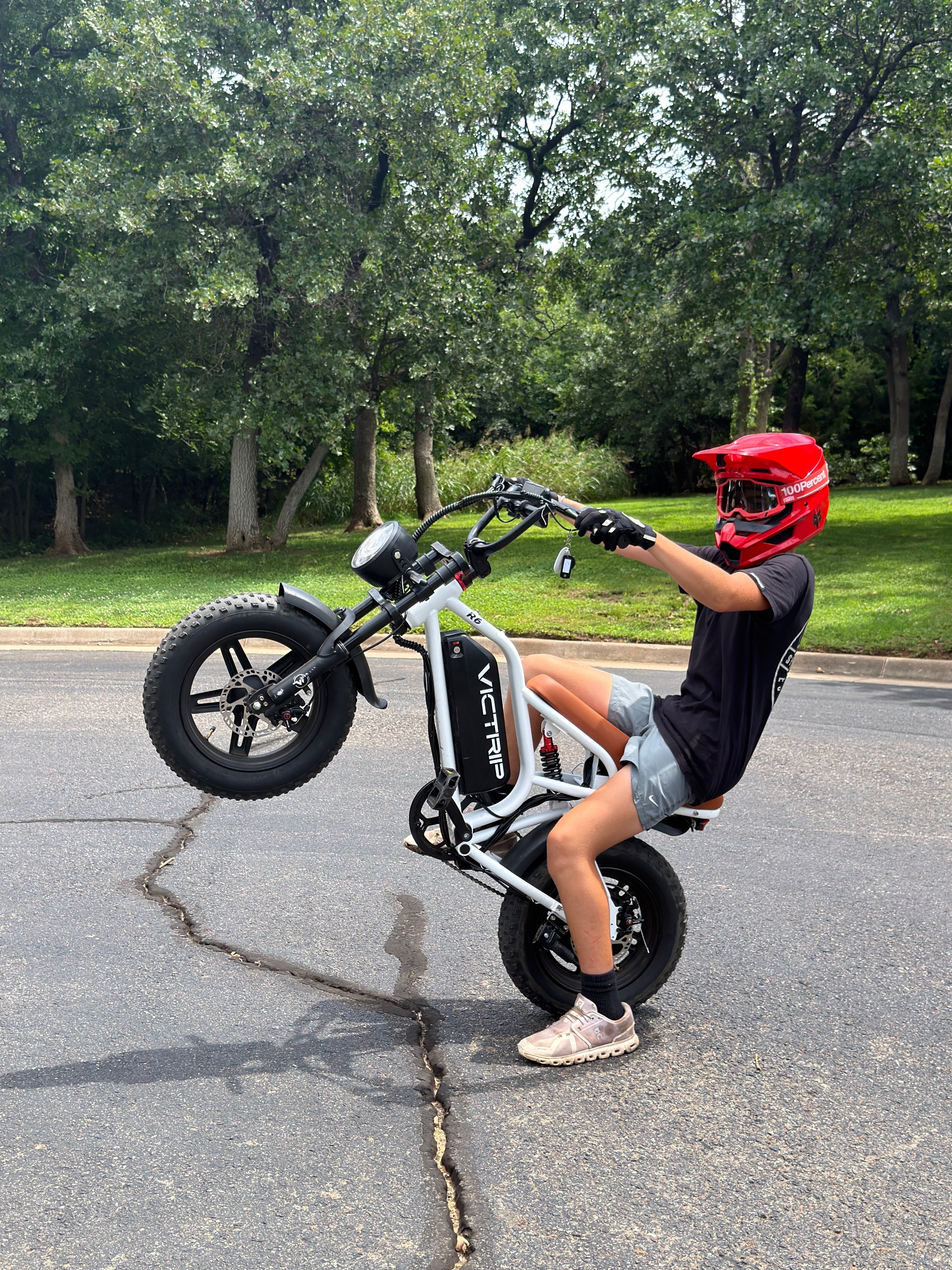
For teenagers who regularly ride beyond smooth pavement, the VICTRIP R6 Off-Road Ebike is an excellent example of how a well-designed suspension system can improve everyday riding. Its full-suspension frame helps smooth out gravel paths, dirt trails, and uneven roads without requiring riders to constantly slow down for bumps, making longer weekend adventures more enjoyable while maintaining confident handling.
Common Myths About Full Suspension
"It's Only for Mountain Racing"
Not true.
Many recreational riders appreciate full suspension simply because it reduces fatigue.
"It's Too Heavy"
Electric assistance offsets much of the additional weight.
Most riders notice comfort far more than the few extra pounds.
"Beginners Don't Need It"
In many cases, beginners benefit the most.
A forgiving bike builds confidence faster than a harsh, rigid ride.
"It's Just Marketing"
Professional mountain biking, recreational trail riding, and modern e-bike development all continue moving toward improved suspension because the real-world comfort benefits are easy to notice.
Tips for Getting the Most from a Full Suspension E-Bike
- Check tire pressure regularly.
- Adjust suspension settings according to rider weight.
- Clean suspension components after muddy rides.
- Inspect pivot bolts periodically.
- Avoid jumping beyond the bike's intended use.
Simple maintenance helps suspension continue performing smoothly for years.
Final Verdict
So, is the extra comfort of a full suspension e-bike worth it for teens?
For riders who primarily commute on smooth city streets, probably not.
However, for teenagers who love exploring trails, gravel paths, parks, and uneven terrain, the answer is often yes.
Full suspension delivers more than comfort—it improves traction, control, confidence, and overall riding enjoyment. Although these bikes cost more and require slightly more maintenance, many riders find the smoother experience well worth the investment.
Ultimately, the best choice depends on where the bike will be ridden. If off-road adventures and weekend exploration are part of the plan, a quality full-suspension e-bike can make every ride safer, more comfortable, and much more fun.
FAQs
Is a full suspension e-bike better for beginners?
Yes. Full suspension can make rough terrain feel more forgiving, helping new riders build confidence and maintain better control.
Does full suspension reduce battery range?
It can have a small impact because full-suspension bikes are generally heavier, but the difference is often minor in real-world riding and depends more on terrain, riding mode, and rider weight.
Can teens use a full suspension e-bike for commuting?
Absolutely. While the biggest benefits are off-road, full suspension also smooths out potholes, curbs, and uneven city streets.
Is full suspension worth the extra money?
If the rider frequently uses trails or rough roads, most people find the added comfort and control justify the higher price. For mostly paved-road riding, a hardtail may offer better value.
Share:
55 MPH Electric Dirt Bike: Everything You Need to Know Before Buying