

Electric bikes have revolutionized the way we commute, exercise, and explore outdoors. When considering a new e-bike, one of the most common questions riders ask is: “Should I go for a 25 MPH or a 30 MPH electric bike?” While a 5 MPH difference might seem minor, it can significantly impact ride experience, battery life, safety, and legal compliance. Understanding these differences ensures you choose the right e-bike for your needs.
Speed affects more than just travel time—it also influences range, acceleration, handling, and your comfort during rides. In this guide, we’ll explore every aspect of 25 MPH versus 30 MPH e-bikes to help you make an informed decision.
Key Differences Between 25 MPH and 30 MPH Electric Bikes
Top Speed and Acceleration
The most obvious difference is the top speed. A 25 MPH e-bike typically reaches 25 miles per hour on electric power alone, whereas a 30 MPH bike can achieve up to 30 miles per hour.
-
Acceleration: The extra speed often comes with stronger motors, providing faster acceleration. Riders who enjoy quick bursts or need to merge into traffic may prefer 30 MPH models.
-
Urban Considerations: In congested city traffic, 25 MPH is often sufficient, reducing the risk of accidents and making handling easier.
Battery Life and Range Considerations
Higher speeds naturally consume more energy. A 30 MPH bike requires a higher power output, which can drain the battery faster compared to a 25 MPH bike.
-
Range Estimates: A 25 MPH e-bike often achieves 30–60 miles per charge, while a 30 MPH model may only reach 25–50 miles, depending on terrain and rider weight.
-
Battery Size: Many 30 MPH e-bikes compensate with larger batteries, but this increases weight and cost.
Motor Power and Performance
-
25 MPH E-Bikes: Typically feature 500–750W motors, sufficient for most commuting and light trail riding.
-
30 MPH E-Bikes: Often come with 750–1000W motors, allowing steeper hill climbs and faster acceleration.
-
Performance Trade-Off: Higher-powered motors deliver more speed but may make the bike heavier and harder to handle for beginners.
Legal Considerations and Regulations
Speed Limits in Different Countries
Laws vary significantly across regions:
-
United States: Federal law limits most e-bikes to 20 MPH for Class 1 & 2, while Class 3 bikes can legally reach 28 MPH.
-
Europe: Maximum e-bike speed is generally 25 km/h (~15.5 MPH) without special licensing. Exceeding this speed may classify your bike as a moped.
-
United Kingdom: E-bikes are limited to 15.5 MPH for pedal-assist bikes; higher-speed e-bikes require registration and insurance.
Licensing and Helmet Requirements
-
25 MPH Bikes: Often require no special license in many regions. Helmets may still be mandatory.
-
30 MPH Bikes: Might be treated like mopeds or motorcycles, requiring licensing, insurance, and helmet compliance.

Safety Aspects of Higher Speed E-Bikes
Braking Systems and Stopping Distance
Speed affects braking performance. A 30 MPH bike may require:
-
Hydraulic disc brakes or dual-disc systems for safe stopping.
-
Longer stopping distances, which riders need to anticipate.
Stability and Frame Design
-
High-speed bikes need reinforced frames and wider tires to maintain stability.
-
Suspension systems are crucial for comfort and control, especially at 30 MPH.
Rider Experience and Handling
-
25 MPH bikes are easier for beginners to manage in urban environments.
-
30 MPH bikes provide a thrilling experience but demand advanced handling skills.
Cost Comparison: 25 MPH vs 30 MPH E-Bikes
Purchase Price Differences
-
25 MPH Models: Usually range from $1,000–$2,500.
-
30 MPH Models: Can range from $2,500–$4,500, due to stronger motors and reinforced frames.
Maintenance and Repair Costs
-
Higher-speed e-bikes have more powerful motors and components, leading to slightly higher maintenance costs.
Insurance Implications
-
30 MPH e-bikes may require insurance in some countries, increasing annual costs.
Energy Efficiency and Environmental Impact
Electricity Consumption
-
Higher speeds use more electricity per mile. A 30 MPH e-bike may consume 20–30% more energy than a 25 MPH model.
Carbon Footprint Comparison
-
Both e-bikes are eco-friendly compared to cars, but longer charging cycles of 30 MPH bikes slightly increase their carbon footprint.
Urban vs Rural Use: Which Speed Fits Best?
Commuting in City Traffic
-
25 MPH e-bikes offer adequate speed for congested streets, easier maneuverability, and safer braking.
Open Road and Rural Trails
-
30 MPH e-bikes excel on open roads, long stretches, and hilly terrain where extra speed improves efficiency.

Comfort and Ergonomics
Seating Position and Suspension
-
Higher-speed bikes benefit from enhanced suspension systems to absorb shocks and maintain comfort at higher speeds.
Long-Distance Riding Comfort
-
30 MPH e-bikes can reduce travel time, but sustained higher speeds may fatigue riders faster if ergonomics are not optimized.
Popular 25 MPH and 30 MPH Electric Bikes on the Market
Recommended 25 MPH Models
-
VICTRIP R5: Foldable, lightweight, great for urban commuting
-
Other models: Rad Power Bikes, Aventon Pace
Recommended 30 MPH Models
-
High-speed commuters and sport models include stronger motors, reinforced frames, and advanced suspension.
- VICTRIP Mimas: lightweight,Torque Sensor, great for urban commuting
TOP PICK
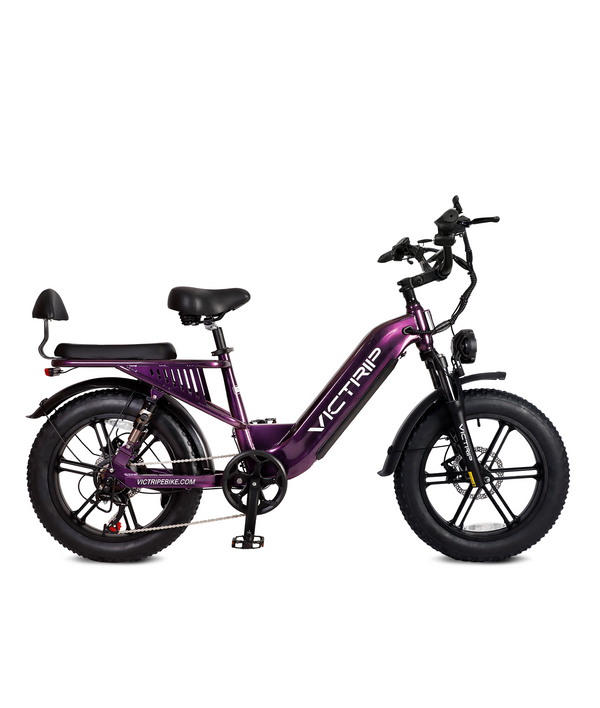
VICTRIP® Mimas Electric Bicycles With Torque Sensors
$1,399.00
Real User Reviews and Experiences
Case Studies: City Commuters
-
Most commuters find 25 MPH adequate for stop-and-go traffic and urban commuting.
Case Studies: Adventure Riders
-
Adventure and trail riders prefer 30 MPH for open-road efficiency and quick hill climbs.
Conclusion: Choosing the Right E-Bike Speed for You
When deciding between a 25 MPH vs 30 MPH electric bike, consider:
-
Purpose: Urban commuting vs open-road adventure
-
Experience Level: Beginners may prefer 25 MPH
-
Legal Compliance: Know your local regulations
-
Budget: 30 MPH models cost more upfront and may incur higher insurance and maintenance costs
Ultimately, the right speed balances performance, safety, and personal preference. For city commuting, a 25 MPH e-bike is practical and cost-efficient, while thrill-seekers and long-distance riders may benefit from a 30 MPH e-bike’s extra power and speed.
FAQs
Can a 25 MPH bike be upgraded to 30 MPH?
Technically yes, by upgrading the motor and battery, but this may void warranties and violate local laws.
Are 30 MPH e-bikes safe for beginners?
Not recommended. Higher speeds require better control, braking, and experience.
How does speed affect battery range?
Higher speeds consume more power, reducing overall range. A 30 MPH ride may decrease range by 20–30%.
Do insurance rates differ for 25 vs 30 MPH e-bikes?
Yes. 30 MPH e-bikes may be considered mopeds or motorcycles in some regions, leading to higher insurance costs.


Share:
Best Electric Bike for 400 lb Person: Powerful Rides for Every Body Type
20 Inch Electric Bike: Everything You Need to Know